

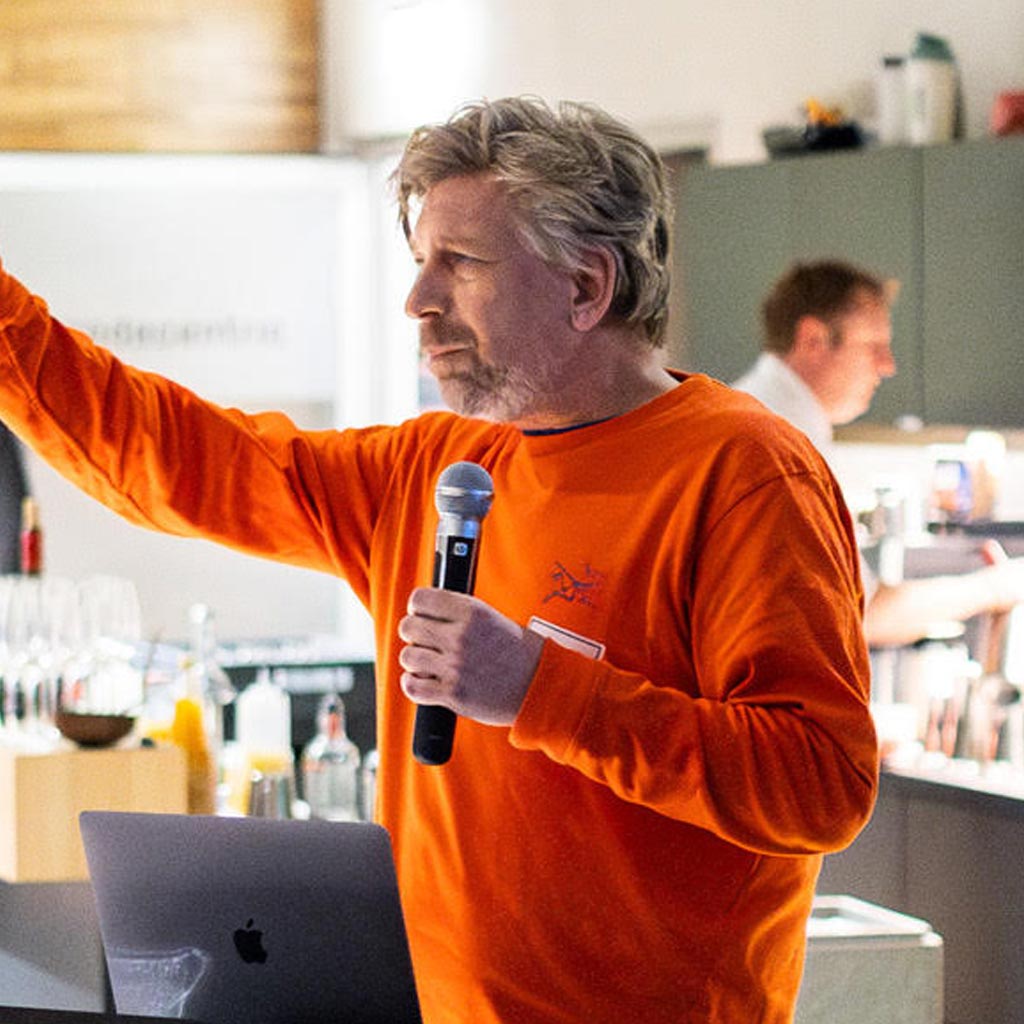
In this keynote, “When Code Becomes Free: The Organizational Bottleneck of the AI Age,” the focus shifts from tools and models to the deeper organizational challenge: how companies decide what to build, how they align teams around change, and how they turn AI-driven speed into sustainable business value.
From Coding Bottleneck to Decision Bottleneck
For decades, software delivery was limited by the time and expertise required to write, test, and ship code. AI is changing that. Developers can now use AI tools to accelerate implementation, generate boilerplate, explore solutions, and automate repetitive tasks.
But faster coding does not automatically mean faster innovation.
Organizations still need to answer critical questions:
- What problem are we really solving?
- Which ideas are worth building?
- Who owns the outcome?
- How do we validate quality, security, and business impact?
- How do teams adapt when delivery speed increases dramatically?
As code becomes less scarce, clarity, judgment, and organizational alignment become more important.
Get the most out of Vibe Kode by becoming a free community member — curated resources, weekly newsletter, and member-only perks. The reads you'd find if you had time Experts you can actually ask Deep dives worth your weekend Past conferences, ready when you areEnjoying the content?
Why AI Changes the Role of Software Teams
AI does not remove the need for software expertise. Instead, it changes where that expertise creates the most value. Developers, architects, product teams, and technology leaders increasingly move from writing every line of code to shaping systems, defining intent, reviewing outcomes, and guiding intelligent tools.
This means software teams must become better at:
- translating business goals into clear technical direction;
- setting constraints for AI-assisted workflows;
- reviewing and validating generated output;
- designing systems that remain maintainable over time;
- collaborating across product, engineering, security, and operations.
The future of software development is not just about producing code faster. It is about improving the decisions around the code.
The Organizational Bottleneck
When implementation becomes cheaper, hidden organizational problems become more visible. Slow decision-making, unclear ownership, fragmented priorities, and weak governance can block progress even when teams have powerful AI tools available.
The real challenge is no longer only technical execution. It is organizational readiness.
Companies need structures that allow them to move quickly while still maintaining trust, quality, and accountability. That includes clear product ownership, strong architecture principles, security-aware development processes, and a culture that can experiment without losing control.
What Leaders Should Pay Attention To
For technology leaders, this shift creates a new set of priorities. AI adoption should not be treated as a tooling project alone. It requires a rethink of workflows, team responsibilities, and decision-making processes.
Key questions for leaders include:
- Are our teams prepared to review and govern AI-generated work?
- Do we have clear criteria for what should be automated?
- Can our architecture handle faster change?
- Are business and engineering teams aligned on outcomes?
- Do we reward speed alone, or do we reward meaningful impact?
Organizations that answer these questions well will be better positioned to turn AI-assisted development into real competitive advantage.
Beyond Productivity: Toward Better Innovation
The biggest promise of AI in software development is not simply that teams can produce more code. It is that teams can spend more time on higher-value work: understanding users, improving systems, testing ideas, and solving the right problems.
When code becomes easier to create, innovation depends less on implementation capacity and more on strategic focus. The winners of the AI age will not necessarily be the organizations that generate the most code. They will be the ones that make the best decisions about what should be built — and why.
Get the most out of Vibe Kode by becoming a free community member — curated resources, weekly newsletter, and member-only perks. The reads you'd find if you had time Experts you can actually ask Deep dives worth your weekend Past conferences, ready when you areEnjoying the content?
Conclusion
“When Code Becomes Free: The Organizational Bottleneck of the AI Age” explores one of the most important shifts in modern software development: AI is reducing the cost of implementation, but it is increasing the importance of judgment, alignment, and organizational design.
The keynote is a valuable watch for software leaders, architects, developers, product teams, and anyone responsible for turning AI capabilities into practical business outcomes.
As AI changes how software is created, organizations must learn to move beyond the question “How fast can we build?” and focus on the more important question: “Are we building the right things?”
Watch the full keynote below: