


Most enterprise teams have tested generative AI by now. They’ve watched it generate code, scaffold services, summarize documentation. They’ve also watched it hallucinate, stumble under production conditions, and create review overhead nobody anticipated.
The reactions are familiar. Some pioneers on LinkedIn celebrate incredible velocity, ship fast, claim traditional development is over. Meanwhile, enterprise engineers stay sceptic — responsible for systems running under audit, systems that can’t afford to break.
When you’re accountable for production systems, you don’t move fast and break things. The skepticism isn’t resistance. It’s professionalism.
Sign Up for Our Newsletter
Stay Tuned & Learn more about VibeKode:
Why enterprise engineers are now essential
The developer community has learned, that AI can generate code quickly, automate workflows, accelerate initial development. That exploration was necessary. But that phase has reached its natural limit. What the pioneers demonstrated — speed, generation capability, rapid iteration — is not the same as sustainable productivity in enterprise environments.
Fast code generation isn’t the same as code that integrates cleanly, stays maintainable over years, meets compliance requirements, and fits existing architectures.
Here’s the part that matters: The productivity potential of AI is enormous. But realizing it requires exactly the skills enterprise teams already have.
Someone needs to evaluate output and integrate it properly
AI removes the constraint from code production. Generating artifacts is fast. But that just shifts the question: Which of those artifacts create sustainable value? Which integrate cleanly? Which will still make sense six months from now?
Those decisions require judgment built from experience with complex systems:
Architectural discipline — evaluating whether AI-generated code fits your system’s evolution, whether it aligns with established patterns, whether it creates integration points that will hold up.
Quality standards — ensuring that velocity doesn’t turn into technical debt, that speed today doesn’t become maintenance burden tomorrow.
Governance thinking — deciding what gets shipped, who owns it, how accountability works when code comes from a probabilistic system.
Maintainability focus — building systems that stay coherent over time, that the next engineer can understand, that don’t degrade as AI-generated components start depending on each other.
The enormous productivity gains, promised by AI, can only materialize when someone can evaluate the output, integrate it properly, and ensure it creates lasting value rather than future problems.
With AI being an integral part of the engineering process, code review becomes artifact review — not just checking logic, but evaluating fit with architectural principles, assessing long-term maintainability, catching where generated code might create issues down the line.
Vibe Coding, agentic workflows, spec-driven development
Vibe Coding — describing what you want rather than how to build it. Express intent, get working code. Whether that code fits your architecture and stays maintainable is the question.
Agentic workflows — AI systems that handle multi-step processes autonomously, making decisions and using tools without human intervention at each step. The challenge is keeping that autonomy bounded within acceptable parameters.
Spec-driven development — treating specifications as executable truth. Write detailed specifications, generate production code directly from them. The difficulty is writing specs precise enough that generated code works in production.
Translating these AI engineering approaches into stable delivery models — with real constraints, real quality gates, real regulatory requirements — requires enterprise engineering expertise. That translation work is what makes AI productive in your environment.
Sign Up for Our Newsletter
Stay Tuned & Learn more about VibeKode:
VibeKode Discovery Day: The working environment
The path forward isn’t waiting for better models or more mature tools. It’s engineers with similar challenges comparing approaches, examining what works under real constraints, and building the process knowledge that makes integration sustainable.
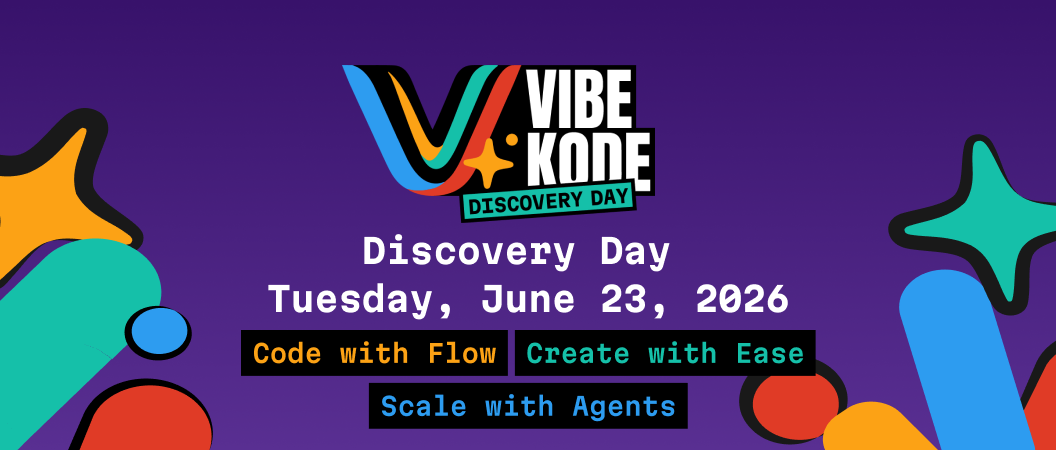
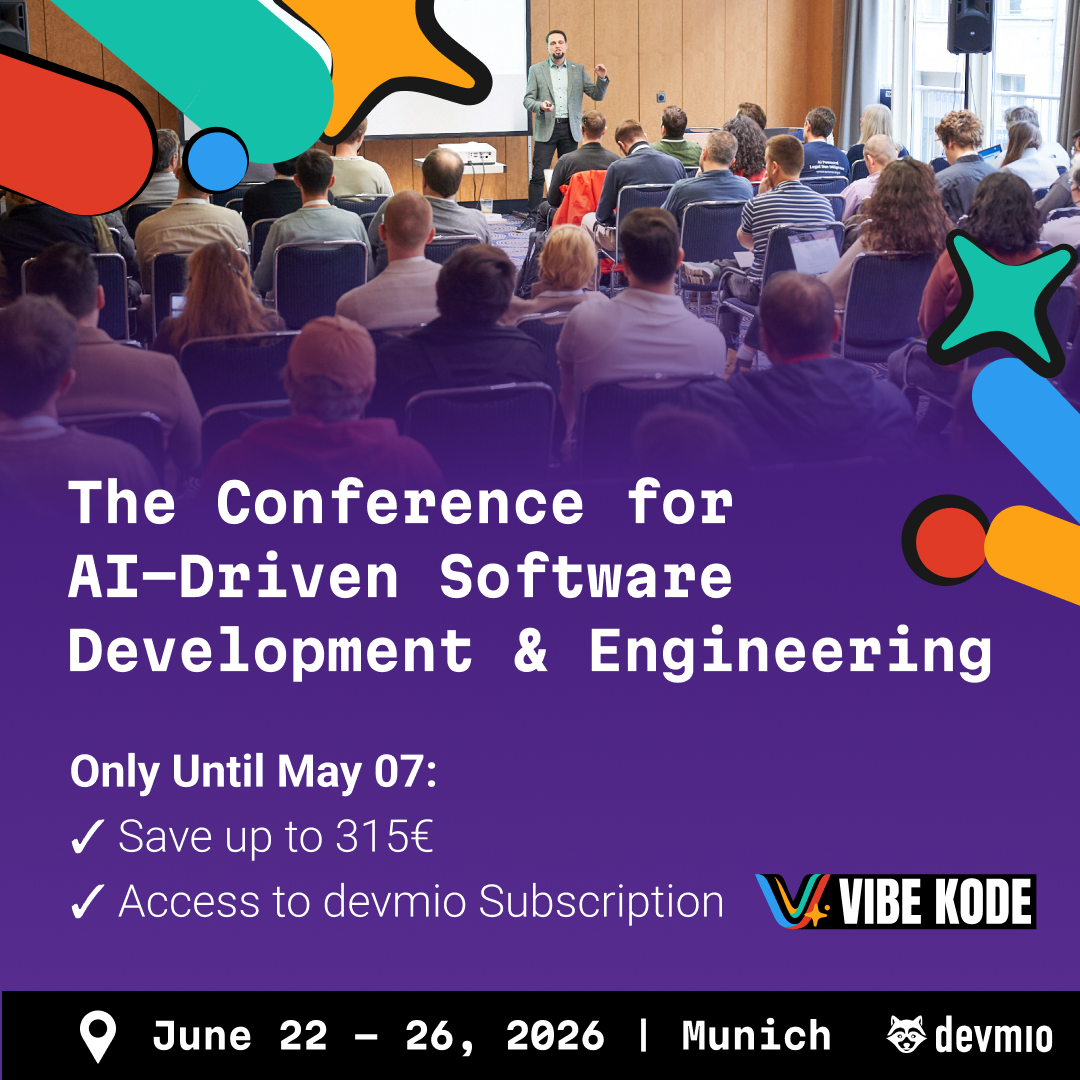
That’s what the VibeKode Discovery Day is for.
It is much more than just demonstrations of what’s possible in ideal conditions. It’s also about hands-on work with real constraints — legacy systems, compliance requirements, organizational accountability structures that won’t change.
Conversations with engineers solving the same class of problems you are, examining real integration paths, working out sustainable approaches together.
If you’re past the experimentation phase and figuring out how to make AI productive in your production environment — not just fast, but sustainable — this is where that work happens.
The enormous productivity potential is real. Making it sustainable is your work. This is your moment to shape how AI integration actually works in enterprise environments.
The engineers building successful AI integration aren’t waiting for permission or for perfect tools. They’re applying the judgment and discipline they’ve built over years to a new class of artifacts.